
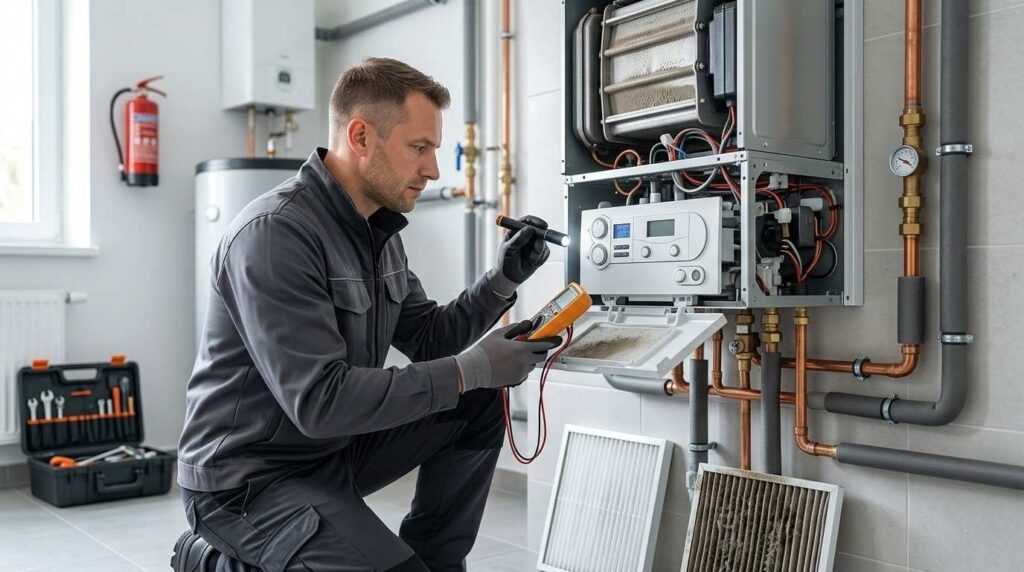
There’s nothing more frustrating than switching on your heater during a cold day and realizing it’s not working. Whether it’s your home or office, a failed heating system can disrupt comfort, productivity, and even safety. At SC Electric, we understand how important reliable heating is, especially during peak winter months. This blog explores Why Heating Systems Fail, the most frequent causes behind breakdowns, and practical steps you can take to prevent costly repairs.
Understanding Why Heating Systems Fail
Heating systems are complex units that require regular maintenance and proper usage. One of the biggest concerns homeowners face is understanding Why Heating Systems Fail unexpectedly. The truth is, most failures don’t happen overnight—they develop over time due to neglect, wear and tear, or improper installation.
From minor issues like clogged filters to major faults such as electrical failures, identifying the root cause early can save both time and money.
Common Reasons Heating Systems Fail
To better understand Why Heating Systems Fail, let’s explore the most frequent issues:
1. Lack of Regular Maintenance
One of the top reasons heating systems fail is poor maintenance. Dust buildup, worn-out components, and unchecked systems lead to reduced efficiency and eventual breakdown.
2. Dirty or Clogged Filters
Blocked filters restrict airflow, forcing the system to work harder. This not only increases energy bills but also leads to common heating system problems over time.
3. Thermostat Issues
Sometimes, the issue isn’t the heater but the thermostat. Incorrect settings or faulty wiring can make you wonder why heater is not working even when the system itself is fine.
4. Electrical Failures
Faulty wiring, blown fuses, or tripped circuit breakers are major contributors to Why Heating Systems Fail. Electrical components are crucial, and even a minor fault can shut down the entire system.
5. Wear and Tear of Components
Heating systems, especially domestic heating systems, experience natural wear over time. Parts like motors, belts, and heat exchangers degrade, causing inefficiency or failure.
Why Heating Systems Fail in Winter Season
You might notice that breakdowns happen more often during colder months. That’s because systems are used more frequently, increasing stress on components. This explains why heating system fails in winter season—continuous operation exposes underlying issues that may have gone unnoticed earlier.
Additionally, sudden temperature drops can affect internal components, especially if the system hasn’t been serviced before winter.
Signs Your Heating System Is About to Fail
Recognizing early warning signs can help you avoid major repairs. Look out for:
- Unusual noises like banging or rattling
- Weak airflow or uneven heating
- Increased energy bills
- Frequent on-and-off cycling
- Strange odors
Ignoring these signs often leads to bigger common heating system problems and eventual failure.
How to Repair Heater at Home (Basic Tips)
Before calling a professional, there are a few simple checks you can perform:
1. Check the Thermostat
Ensure it’s set correctly and has working batteries. This simple step often resolves confusion about why heater is not working.
2. Replace or Clean Filters
Dirty filters are one of the easiest issues to fix. Regular cleaning improves efficiency and prevents damage.
3. Inspect Circuit Breakers
If the heater isn’t turning on, check your electrical panel for tripped breakers.
4. Ensure Proper Airflow
Make sure vents are open and unobstructed.
While these steps can help, more complex issues should always be handled by professionals like SC Electric to avoid safety risks.
Preventing Heating System Failures
Understanding Why Heating Systems Fail is only half the solution—prevention is key.
1. Schedule Regular Maintenance
Routine servicing ensures that small issues are fixed before they escalate. This is especially important for domestic heating systems.
2. Upgrade Old Systems
Older systems are more prone to failure. Investing in modern, energy-efficient units reduces long-term costs.
3. Install Smart Thermostats
Smart controls optimize performance and reduce unnecessary strain on the system.
4. Keep the Area Clean
Dust and debris around the heater can affect performance and safety.
5. Professional Inspections
Annual inspections by experts like SC Electric ensure your system is winter-ready and functioning efficiently.
Conclusion
Understanding Why Heating Systems Fail helps you take proactive steps to avoid inconvenience and costly repairs. Most issues stem from neglect, lack of maintenance, or aging components. By addressing these early and following preventive measures, you can ensure your heating system runs efficiently throughout the year. Trust SC Electric to keep your home warm, safe, and comfortable.
FAQ
Why do heating systems suddenly stop working?
Heating systems often stop due to electrical faults, clogged filters, or thermostat issues. Regular maintenance helps prevent sudden failures and ensures consistent performance throughout the year.
How often should heating systems be serviced?
Heating systems should be serviced at least once a year, preferably before winter, to ensure efficiency and reduce the risk of unexpected breakdowns.
Can I repair my heater at home?
Basic issues like filter cleaning or thermostat checks can be done at home, but complex electrical or mechanical problems should always be handled by professionals.
Why is my heater running but not heating properly?
This could be due to clogged filters, duct issues, or worn-out components, which reduce efficiency and lead to uneven heating.
What is the most common cause of heating system failure?
The most common cause is lack of maintenance, leading to dirt buildup, component wear, and reduced efficiency over time.