
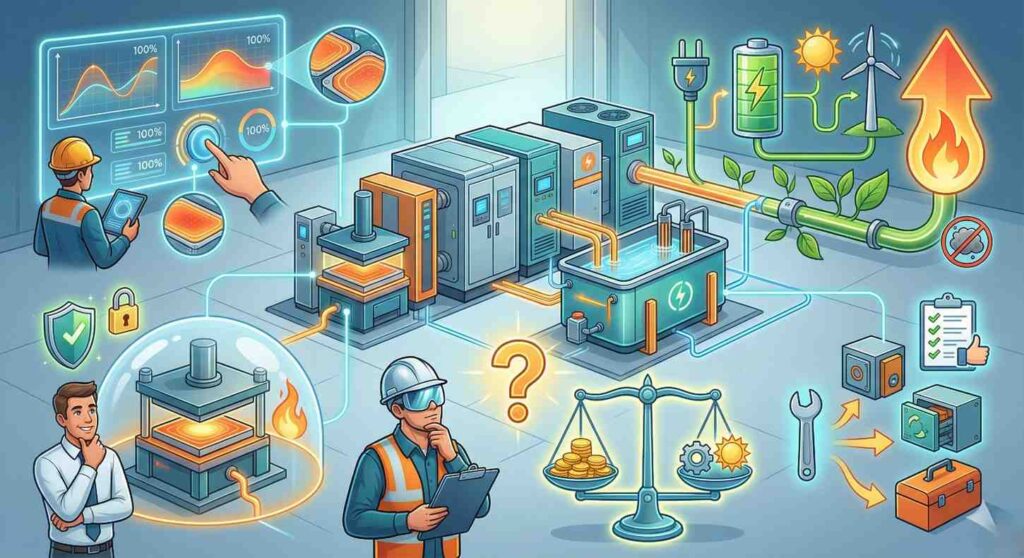
Industrial heating plays a critical role in modern production environments where precision, efficiency, and reliability are essential. As industries continue to evolve, the shift toward advanced Industrial Heating Solutions has become more noticeable, especially with the growing demand for energy efficiency and sustainability. Among the available options, electric heating systems have gained strong attention due to their performance and environmental advantages. Understanding the Benefits of Industrial Electric Heating Systems can help businesses make informed decisions that improve productivity while reducing operational costs.
What Are Industrial Electric Heating Systems?
Industrial electric heating systems are technologies that use electrical energy to generate heat for industrial processes. These systems convert electricity directly into heat through methods such as resistance, induction, or infrared heating. Unlike traditional fuel-based systems, electric heating eliminates the need for combustion, making it a cleaner and more efficient alternative.
These systems are widely used across industries such as manufacturing, food processing, pharmaceuticals, and automotive production. Whether it is drying, melting, curing, or maintaining temperature consistency, electric heating systems provide reliable and controlled heat output. Compared to many domestic heating systems, industrial solutions are designed to handle higher capacities and more demanding environments.
Types of Industrial Electric Heating Systems
Understanding the different types of electric heating systems helps in selecting the right solution for specific applications.
Resistance Heating Systems
Resistance heating is one of the most common methods where electric current passes through a material to generate heat. It is widely used in furnaces, ovens, and heaters for industrial applications.
Induction Heating Systems
Induction heating uses electromagnetic fields to heat conductive materials directly. It is highly efficient and commonly used in metal processing industries for tasks like welding and melting.
Infrared Heating Systems
Infrared heaters emit radiation that directly heats objects without warming the surrounding air. This makes them ideal for drying and coating processes.
Dielectric Heating Systems
This method uses high-frequency electric fields to heat non-conductive materials. It is often used in plastic and textile industries.
Each of these systems plays a crucial role in modern Industrial Heating Solutions, offering flexibility and precision depending on the application.
Key Benefits of Industrial Electric Heating Systems
The growing adoption of electric heating systems is driven by a range of advantages that support both operational efficiency and environmental responsibility.
High Energy Efficiency
One of the major Benefits of Industrial Electric Heating Systems is their ability to convert nearly all electrical energy into usable heat. Unlike fuel-based systems, there is minimal energy loss, which results in improved efficiency and reduced energy consumption.
Precise Temperature Control
Electric heating systems provide accurate temperature regulation, which is essential for industries that require consistency in their processes. This level of control improves product quality and reduces waste.
Environmentally Friendly Operation
Since electric heating does not involve combustion, it produces no direct emissions. This significantly reduces the carbon footprint and aligns with global sustainability goals. Businesses aiming to adopt cleaner Industrial Heating Solutions often choose electric systems for this reason.
Low Maintenance Requirements
Electric systems typically have fewer moving parts compared to traditional heating systems. This reduces the likelihood of mechanical failure and lowers maintenance costs over time.
Enhanced Safety Standards
Safety is a critical concern in industrial environments. Electric heating systems eliminate risks associated with fuel storage, gas leaks, and open flames, making them a safer alternative.
Long-Term Cost Savings
Although the initial investment may be higher, electric heating systems offer long-term savings through reduced energy consumption, lower maintenance, and improved efficiency.
Industrial Electric Heating Systems vs Traditional Heating
When comparing electric heating with traditional methods such as gas or oil heating, several differences become clear.
Electric systems offer better efficiency because they directly convert energy into heat without combustion losses. In contrast, gas and oil systems often lose energy during the burning process. Additionally, electric heating systems provide more precise control, which is essential for modern manufacturing processes.
From an environmental perspective, electric heating is a cleaner option, especially when powered by renewable energy sources. Traditional systems, on the other hand, contribute to emissions and environmental pollution.
In terms of safety and maintenance, electric systems require less oversight and are easier to manage. This makes them a preferred choice for industries looking to upgrade their Industrial Heating Solutions.
Applications of Electric Heating in Industries
Electric heating systems are versatile and can be used across a wide range of industries.
In manufacturing plants, they are used for processes such as drying, curing, and heat treatment. The food and beverage industry relies on electric heating for cooking, sterilization, and packaging processes where hygiene and precision are essential.
In chemical and pharmaceutical industries, maintaining accurate temperatures is critical for product quality and safety. Electric heating systems ensure consistent performance in these sensitive environments.
The automotive and aerospace sectors also benefit from electric heating, particularly in material processing and component manufacturing. Compared to domestic heating systems, these industrial applications demand higher performance and reliability.
Factors to Consider Before Choosing an Electric Heating System
Selecting the right heating system requires careful evaluation of several factors.
Businesses should consider the power requirements of their operations to ensure the system can handle the load efficiently. The type of application also plays a key role in determining the most suitable heating method.
Initial investment and long-term savings should be balanced to achieve the best return on investment. While electric systems may have higher upfront costs, their efficiency and low maintenance often make them more economical over time.
Scalability is another important factor, especially for growing industries. Modern Industrial Heating Solutions are designed to adapt to changing production needs, making them a future-ready choice.
Future Trends in Industrial Electric Heating
The future of industrial heating is closely linked to technological advancements and sustainability initiatives.
Smart heating systems integrated with automation and IoT are becoming more common, allowing businesses to monitor and control heating processes in real time. This improves efficiency and reduces energy waste.
The integration of renewable energy sources is also shaping the future of electric heating. As industries move toward greener practices, electric systems powered by solar or wind energy are gaining popularity.
These innovations are transforming Industrial Heating Solutions, making them more efficient, intelligent, and environmentally friendly.
Conclusion
The Benefits of Industrial Electric Heating Systems make them a powerful solution for modern industries seeking efficiency, precision, and sustainability. From improved energy efficiency and precise temperature control to reduced maintenance and enhanced safety, electric heating systems offer clear advantages over traditional methods.
As industries continue to evolve, adopting advanced heating technologies becomes essential for staying competitive. Electric heating systems not only support operational excellence but also contribute to long-term cost savings and environmental responsibility. Businesses that invest in these systems position themselves for a more efficient and sustainable future while meeting the growing demands of modern industrial processes.
What are industrial electric heating systems?
Industrial electric heating systems use electrical energy to generate heat for industrial processes such as drying, melting, and curing with high efficiency and precision.
What are the main benefits of industrial electric heating systems?
The key benefits of industrial electric heating systems include energy efficiency, precise temperature control, low maintenance, improved safety, and reduced environmental impact.
Are industrial electric heating systems energy efficient?
Yes, they are highly energy efficient because they convert most of the electrical energy directly into heat with minimal loss compared to fuel-based systems.
How do electric heating systems compare to gas heating?
Electric heating systems offer better efficiency, cleaner operation, and more precise control, while gas systems may have lower upfront costs but higher emissions.
Which industries use industrial electric heating systems?
Industries such as manufacturing, food processing, pharmaceuticals, automotive, and aerospace widely use electric heating systems.
Do industrial electric heating systems require maintenance?
They require minimal maintenance due to fewer moving parts, making them more reliable and cost-effective over time.
Are industrial electric heating systems environmentally friendly?
Yes, they are environmentally friendly as they produce no direct emissions and support sustainable industrial heating solutions.