
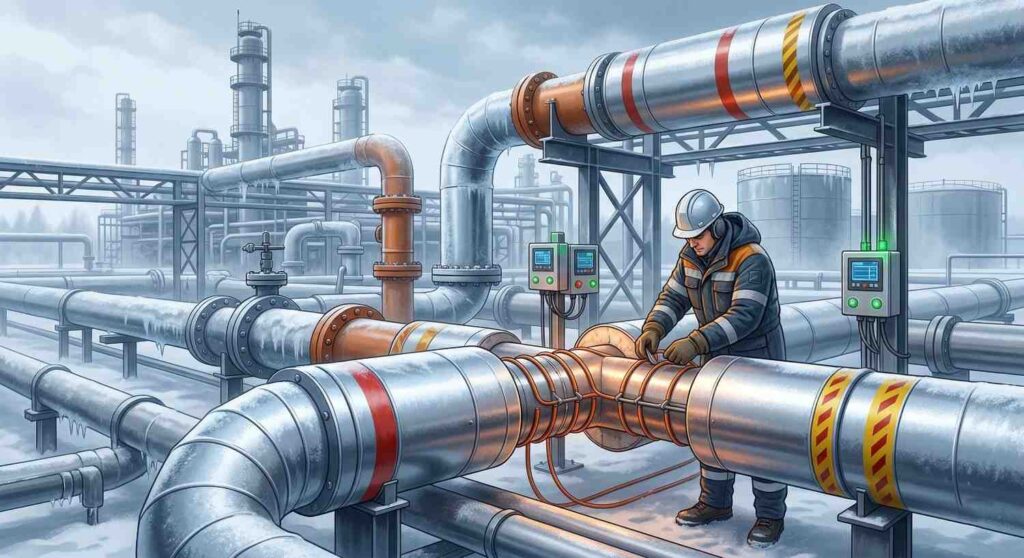
Industrial pipelines are essential for transporting water, chemicals, oil, and other fluids across facilities. However, during colder months, these pipelines face a serious threat—freezing temperatures. When liquids freeze, they expand, which can lead to cracks, leaks, or even complete pipeline failure. This is why freeze protection for industrial pipelines is a critical aspect of industrial maintenance. It not only protects infrastructure but also ensures safety, operational continuity, and cost efficiency. Implementing the right freeze protection strategies helps industries avoid downtime and maintain productivity even in harsh weather conditions.
What Is Freeze Protection for Industrial Pipelines?
Freeze protection for industrial pipelines refers to a set of methods and systems designed to prevent fluids inside pipes from freezing. These solutions maintain optimal temperatures within pipelines, ensuring smooth flow and preventing damage caused by ice formation.
Industries such as oil and gas, manufacturing, water treatment, and food processing rely heavily on pipelines. In cold climates or during winter, these systems become vulnerable without proper protection. Techniques like insulation, heating systems, and industrial heat tracing are commonly used to safeguard pipelines from freezing conditions.
Why Freeze Protection for Industrial Pipelines Is Important
Prevents Pipe Bursts and Damage
When liquids freeze, they expand and create internal pressure within pipes. This pressure can cause pipes to crack or burst, leading to costly repairs and operational disruptions. Proper freeze protection solutions help maintain consistent temperatures and prevent such damage.
Ensures Operational Continuity
Frozen pipelines can halt operations, causing delays and financial losses. By implementing reliable freeze protection systems, industries can ensure uninterrupted workflow and maintain productivity even during extreme weather.
Enhances Safety Standards
Pipeline failures can lead to leaks, spills, or hazardous situations, especially in industries dealing with chemicals or flammable materials. Effective freeze protection minimizes these risks and ensures a safer working environment.
Reduces Maintenance Costs
Preventive measures are always more cost-effective than emergency repairs. Investing in freeze protection reduces long-term maintenance expenses and extends the lifespan of pipeline systems.
Common Causes of Pipeline Freezing
Understanding the causes of pipeline freezing helps in implementing effective solutions. One of the main factors is exposure to extremely low temperatures, especially in outdoor or poorly insulated areas. Lack of proper insulation allows cold air to affect the pipeline directly.
Another common cause is stagnant fluid. When liquids do not flow regularly, they are more likely to freeze. Poor pipeline design, such as improper placement or lack of drainage, also increases the risk. Identifying these factors early helps in choosing the right freeze protection strategies.
Key Freeze Protection Solutions for Industrial Pipelines
Pipe Insulation
Insulation is one of the most effective ways to protect pipelines from freezing. It acts as a barrier, reducing heat loss and maintaining internal temperatures. Materials like fiberglass, foam, and mineral wool are widely used for industrial pipe insulation.
Heat Tracing Systems
Heat tracing is a popular solution for maintaining pipeline temperature. It involves installing heating cables along the pipeline to provide consistent warmth. Industrial heat tracing systems are highly effective in preventing freezing and are commonly used in critical applications.
Pipeline Heating Systems
Heating cables and tapes are used to deliver controlled heat directly to pipelines. These systems can be automated to adjust temperature levels based on environmental conditions, ensuring energy efficiency and reliability.
Use of Antifreeze Solutions
In some cases, antifreeze chemicals are added to the fluid to lower its freezing point. This method is particularly useful in specific industrial applications but must be used carefully to avoid contamination or environmental impact.
Proper Pipeline Design
Design plays a crucial role in freeze prevention. Proper slope, drainage, and placement of pipelines reduce the chances of water accumulation and freezing. A well-designed system enhances the effectiveness of other protection methods.
Heat Tracing Explained: How It Works
Heat tracing systems work by applying electrical or steam-generated heat along the length of a pipeline. This ensures that the temperature of the fluid remains above its freezing point. Industrial heat tracing is especially useful for pipelines exposed to extreme weather or carrying temperature-sensitive materials.
There are different types of heat tracing systems, including self-regulating and constant wattage cables. These systems are designed to provide consistent heat while optimizing energy consumption. When combined with insulation, heat tracing becomes a highly efficient freeze protection solution.
Pipeline Insulation Materials and Their Benefits
Different insulation materials offer unique advantages depending on the application. Fiberglass insulation is widely used due to its durability and thermal efficiency. Foam insulation provides excellent resistance to moisture, making it suitable for outdoor pipelines.
Mineral wool is another popular option known for its high-temperature resistance and fire safety properties. Choosing the right insulation material depends on factors such as climate, pipeline type, and industrial requirements. Proper insulation not only prevents freezing but also improves overall energy efficiency.
Freeze Protection Checklist for Industrial Pipelines
A proactive approach is essential for effective freeze protection. Regular inspection of pipelines helps identify vulnerable areas. Installing high-quality insulation and using industrial heat tracing where necessary ensures consistent temperature control.
Sealing gaps and exposed sections prevents cold air from entering the system. Monitoring temperature levels and scheduling preventive maintenance further reduces the risk of freezing. Following a comprehensive checklist helps maintain pipeline integrity throughout the winter season.
Benefits of Professional Freeze Protection Services
Expert Assessment
Professionals can identify high-risk areas and recommend suitable solutions based on specific industrial needs.
Advanced Equipment
Specialized tools and technologies ensure accurate installation and effective performance of freeze protection systems.
Customized Solutions
Each industry has unique requirements. Professional services provide tailored strategies to achieve optimal results.
Long-Term Reliability
With expert implementation, freeze protection systems deliver consistent performance and reduce the risk of unexpected failures.
Industries That Require Pipeline Freeze Protection
Several industries depend on reliable pipeline systems and require effective freeze protection. The oil and gas sector relies on pipelines for transporting critical resources. Water treatment plants need uninterrupted flow to maintain operations.
The food and beverage industry requires temperature control to ensure product quality. Chemical and manufacturing industries also depend on pipelines for safe and efficient processing. For all these sectors, freeze protection is essential to maintain operational efficiency.
Common Mistakes to Avoid
Ignoring insulation is one of the most common mistakes that lead to pipeline freezing. Delaying maintenance or using low-quality materials can also increase risks. Many industries overlook environmental factors such as wind exposure and temperature fluctuations.
Another mistake is relying on a single solution without considering a combination of methods. Effective freeze protection often requires integrating insulation, heating systems, and proper design. Avoiding these mistakes ensures better results and long-term reliability.
Integrating Freeze Protection with Maintenance Services
Freeze protection should not be treated as a one-time solution. Regular inspections and maintenance are essential to ensure continued performance. Integrating freeze protection with industrial maintenance strategies helps identify issues early and prevents costly breakdowns.
Routine checks, timely repairs, and system upgrades improve the overall efficiency of pipeline systems. This proactive approach ensures that pipelines remain safe and functional throughout the year.
When Should You Implement Freeze Protection?
The best time to implement freeze protection is before the winter season begins. Early preparation allows industries to address potential issues and install necessary systems without delays.
Freeze protection should also be considered during pipeline installation or system upgrades. Incorporating protective measures at the design stage ensures better performance and reduces the need for future modifications.
Conclusion
Freeze protection for industrial pipelines is essential for maintaining safety, efficiency, and reliability in industrial operations. From preventing pipe bursts to ensuring continuous workflow, the benefits of proper freeze protection are significant. By using solutions such as insulation, heating systems, and industrial heat tracing, industries can effectively safeguard their pipelines against freezing conditions.
A proactive approach that includes regular maintenance and professional support ensures long-term performance and cost savings. Investing in the right freeze protection strategies not only protects infrastructure but also creates a safer and more efficient working environment.
What is freeze protection for industrial pipelines?
It involves using insulation, heating systems, and other methods to prevent fluids inside pipelines from freezing and causing damage.
Why is freeze protection for industrial pipelines important?
It prevents pipe bursts, reduces maintenance costs, ensures safety, and maintains uninterrupted industrial operations.
What are the best methods for pipeline freeze protection?
Common methods include pipe insulation, industrial heat tracing, heating cables, and proper pipeline design.
How does industrial heat tracing work?
Industrial heat tracing uses heating cables along pipelines to maintain temperature and prevent freezing in cold conditions.
When should freeze protection systems be installed?
They should be installed before winter or during pipeline setup to ensure maximum efficiency and protection.