
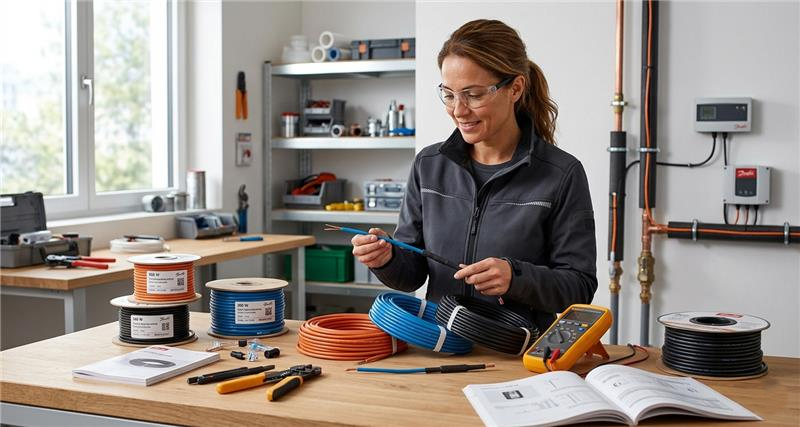
When winter arrives, comfort at home becomes a top priority—and nothing feels better than warm floors beneath your feet. Whether you’re upgrading your home or planning a new installation, understanding How to Choose the Right Heating Cable is essential for efficiency, safety, and long-term performance. At SC Electric, we help homeowners and businesses select the best heating solutions tailored to their specific flooring needs.
Choosing the wrong cable can lead to uneven heating, higher energy bills, or even damage to your flooring. This guide will walk you through everything you need to know, from flooring compatibility to technical considerations, ensuring you make the right decision.
Understanding the Types of Heating Cables
Before diving into flooring compatibility, it’s important to understand the Types of heating cables available in the market. Each type is designed for specific applications and performance levels.
There are two main categories:
- Constant wattage cables: These deliver a fixed amount of heat along their length. They are ideal for consistent heating needs and are commonly used in residential floor heating.
- Self-regulating cables: These adjust their heat output based on surrounding temperature. They are more advanced and energy-efficient, making them suitable for areas where temperature fluctuates.
Knowing the Types of heating cables helps you match the right product with your flooring type and usage needs.
Match Heating Cable with Flooring Type
Different flooring materials respond differently to heat, which makes it crucial to understand How to Choose the Right Heating Cable based on your flooring.
1. Tile and Stone Flooring
Tile and stone are excellent conductors of heat, making them the best candidates for underfloor heating systems. A standard floor heating cable works efficiently here, providing even heat distribution.
2. Wooden Flooring
Wood is sensitive to temperature changes and may expand or contract. For this, you should choose a low-output floor heating cable with precise temperature control to avoid damage.
3. Laminate Flooring
Laminate requires careful heat management. A thin heating cable with even distribution is ideal to prevent overheating.
4. Carpet Flooring
Carpet can insulate heat, reducing efficiency. You’ll need a higher output cable, but ensure it’s compatible with carpet materials and underlays.
Consider Heating Cable Voltage
One of the most important technical aspects in How to Choose the Right Heating Cable is understanding Heating cable voltage.
- Low voltage systems (120V): Suitable for smaller rooms or areas like bathrooms.
- High voltage systems (240V): Ideal for larger spaces as they heat faster and more efficiently.
Selecting the correct Heating cable voltage ensures optimal performance and prevents overloading your electrical system.
Focus on Energy Efficiency
Energy consumption is a major concern for homeowners. Choosing an Energy-efficient heating cable can significantly reduce your electricity bills while maintaining comfort.
Modern heating cables are designed with smart technology that minimizes energy waste. Features like programmable thermostats and self-regulating mechanisms make an Energy-efficient heating cable a smart investment.
At SC Electric, we always recommend solutions that balance performance with sustainability.
Installation Matters: Tips for Best Results
Even the best cable won’t perform well if installed incorrectly. Following proper Heating cable installation tips ensures safety and efficiency.
Here are some essential guidelines:
- Always install cables evenly to avoid hot and cold spots.
- Use proper insulation beneath the cable to maximize heat retention.
- Avoid overlapping cables, as this can cause overheating.
- Test the system before final flooring installation.
Professional installation is highly recommended, especially for complex layouts. These Heating cable installation tips can save you from costly repairs and inefficiencies.
Special Applications: Heating Cable for Pipes
While underfloor heating is popular, heating cables are also used in other applications. A Heating cable for pipes is designed to prevent freezing in cold climates.
These cables maintain a consistent temperature in pipes, ensuring water flow even in extreme conditions. If your project includes plumbing in colder areas, considering a Heating cable for pipes is a smart addition.
Safety and Compatibility Checks
Safety should always come first when learning How to Choose the Right Heating Cable. Ensure the product you select meets industry standards and is compatible with your electrical system.
Key factors to check:
- Certification and quality standards
- Compatibility with thermostats
- Moisture resistance for wet areas
- Warranty and manufacturer support
Choosing a trusted provider like SC Electric ensures you receive reliable and safe products.
Budget vs. Long-Term Value
While it may be tempting to go for the cheapest option, investing in the right heating cable pays off in the long run. High-quality cables last longer, perform better, and reduce maintenance costs.
When evaluating options, consider:
- Installation cost
- Energy consumption
- Durability
- Warranty
Understanding How to Choose the Right Heating Cable means balancing upfront costs with long-term savings.
Final Thoughts
Selecting the perfect heating cable doesn’t have to be complicated. By understanding your flooring type, evaluating Types of heating cables, checking Heating cable voltage, and following essential Heating cable installation tips, you can make an informed decision.
At SC Electric, we specialize in providing customized solutions that meet your specific needs. Whether you’re installing a floor heating cable or looking for an Energy-efficient heating cable, our expertise ensures comfort, safety, and efficiency.
What are the benefits of underfloor heating compared to radiators?
Underfloor heating provides even heat distribution, improved energy efficiency, and better comfort compared to radiators. It eliminates cold spots and frees up wall space, making it one of the most practical and modern heating solutions.
How underfloor heating saves energy in homes?
Underfloor heating operates at lower temperatures while still maintaining consistent warmth. This efficient heat distribution reduces energy consumption, helping homeowners lower their energy bills over time.
Are Electric Underfloor Heating Mats easy to install?
Yes, Electric Underfloor Heating Mats are designed for quick and hassle-free installation. They are especially suitable for renovation projects and can be fitted under various flooring types without major structural changes.
What types of flooring are compatible with underfloor heating systems?
Underfloor heating works well with tiles, stone, laminate, vinyl, and certain engineered wood floors. Choosing the right flooring enhances the overall performance and efficiency of the system.
Is underfloor heating safe and low maintenance?
Yes, underfloor heating systems are very safe when professionally installed. They require minimal maintenance compared to traditional heating systems, making them a reliable and long-lasting option for modern homes.