
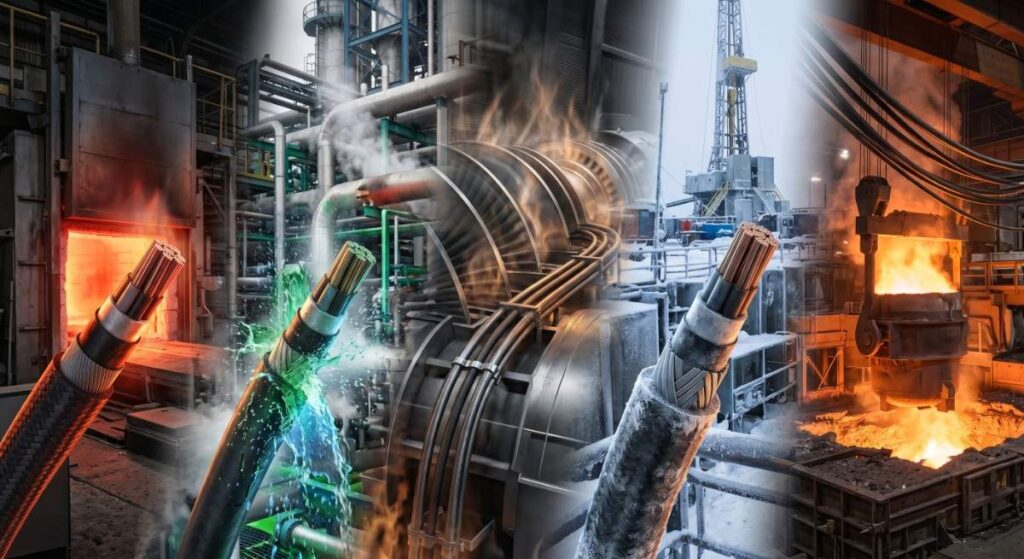
In industries where extreme temperatures, moisture, chemicals, and demanding operating conditions are part of everyday operations, selecting the right cable insulation is crucial. Electrical failures caused by inadequate insulation can lead to costly downtime, safety hazards, and equipment damage. This is why High Temperature Cable Insulation has become an essential component in modern industrial and commercial applications.
At SC Electric, we understand the importance of reliable cable performance in the harshest environments. Whether used in manufacturing facilities, power plants, petrochemical sites, or specialized heating systems, insulated cables designed for high temperatures provide unmatched durability and safety.
In this article, we explore seven key benefits of using High Temperature Cable Insulation and why businesses increasingly rely on these advanced cable solutions.
1. Exceptional Resistance to Extreme Heat
One of the primary advantages of High Temperature Cable Insulation is its ability to perform consistently under elevated temperatures.
Standard cables often deteriorate when exposed to excessive heat. Cracking, melting, and insulation breakdown can occur, resulting in operational failures. However, advanced insulation materials maintain their structural integrity even in severe thermal conditions.
Applications such as furnaces, steel mills, glass manufacturing plants, and industrial heating systems require cables capable of enduring prolonged exposure to intense heat without compromising performance.
This makes high-temperature insulated cables a dependable solution where ordinary wiring cannot survive.
2. Improved Safety and Reduced Fire Risks
Safety remains a top priority in industrial environments.
High-quality heat resistant cable insulation significantly minimizes fire hazards by preventing insulation degradation and electrical short circuits. These cables are engineered using materials designed to withstand heat while maintaining dielectric strength.
In environments where combustible materials are present, reliable insulation helps reduce the risk of sparks and overheating.
Whether integrated into machinery or connected to an electric heating cable, enhanced insulation contributes to safer workplaces and compliance with safety standards.
Businesses investing in robust cable protection often experience fewer electrical incidents and improved employee safety.
3. Enhanced Durability in Harsh Conditions
Extreme temperatures are not the only challenge industrial cables face.
Harsh environments may expose wiring to:
- Chemicals and oils
- Moisture and humidity
- Abrasive conditions
- Mechanical stress
- UV radiation
High Temperature Cable Insulation is specifically designed to withstand these demanding factors.
Modern thermal insulation cables offer superior resistance against environmental degradation, extending the service life of electrical installations.
Reduced cable replacements translate into lower maintenance costs and improved productivity over time.
4. Superior Performance in Industrial Applications
Industrial facilities depend on uninterrupted operations.
Equipment failures resulting from cable deterioration can halt production and generate substantial financial losses. By incorporating industrial high temperature cables, businesses improve system reliability and operational efficiency.
Industries benefiting from these solutions include:
- Food processing facilities
- Petrochemical plants
- Power generation stations
- Aerospace manufacturing
- Automotive production
- Metal processing industries
Reliable insulation ensures consistent energy transmission even under challenging operating conditions.
This is particularly important for mission-critical industrial heating systems, where downtime can significantly impact production schedules.
5. Compatibility with Advanced Heating Technologies
Heating technologies continue to evolve across residential and industrial sectors.
Many modern systems rely on specialized wiring solutions capable of handling elevated temperatures. Cables used alongside an electric heating cable system must endure continuous thermal exposure without performance degradation.
From pipe tracing applications to freeze protection and process temperature maintenance, insulated cables support efficient heating operations.
Although discussions surrounding Electric vs Gas Heating often focus on energy costs and efficiency, electrical systems increasingly gain popularity due to precise temperature control and reduced emissions.
High-performance cable insulation ensures these systems operate safely and effectively for years.
6. Excellent Chemical and Moisture Resistance
Industrial environments frequently expose cables to aggressive substances.
Oil spills, solvents, corrosive chemicals, and high humidity can accelerate insulation failure in conventional wiring systems.
Fortunately, advanced PTFE insulated cables provide remarkable resistance to chemical attack and moisture penetration.
PTFE materials maintain flexibility and electrical properties even under challenging environmental conditions.
For industries requiring dependable operation in chemically intensive settings, these cables represent an excellent investment.
Similarly, high temperature insulation cable solutions help maintain system integrity in wash-down areas and outdoor installations where moisture exposure is unavoidable.
7. Long-Term Cost Savings and Efficiency
While premium cable solutions may involve a higher initial investment, they often generate substantial long-term savings.
The durability offered by High Temperature Cable Insulation reduces:
- Unexpected downtime
- Maintenance expenses
- Replacement frequency
- Repair costs
- Safety-related incidents
These benefits contribute directly to improved operational efficiency.
In residential settings exploring innovative home heating solutions, dependable insulation supports efficient energy delivery and enhanced reliability.
As homeowners compare Electric vs Gas Heating, electrical systems equipped with quality insulated wiring continue to emerge as practical alternatives due to easier installation and lower maintenance requirements.
Businesses and consumers alike benefit from making informed investments in reliable cable technology.
Why High Temperature Cable Insulation Matters
Selecting the correct cable insulation isn’t simply a technical decision—it directly impacts safety, productivity, and profitability.
Today’s industries require wiring solutions capable of performing under intense conditions while maintaining electrical efficiency. From industrial heating systems to residential home heating solutions, dependable cables form the backbone of reliable energy distribution.
Advanced heat resistant cable insulation technologies offer peace of mind by reducing risks associated with thermal degradation.
Likewise, durable thermal insulation cables help businesses meet operational demands without constant concern over premature cable failure.
The growing adoption of industrial high temperature cables reflects the increasing need for resilient infrastructure capable of supporting modern technologies.
Conclusion
Operating in harsh environments demands more than standard electrical components. Businesses require solutions engineered to withstand heat, chemicals, moisture, and continuous use.
At SC Electric, we recognize that reliable cable performance is essential to maintaining safe and efficient operations. By choosing High Temperature Cable Insulation, organizations can enhance safety, improve productivity, reduce maintenance costs, and extend the lifespan of their electrical systems.
Whether you’re implementing an electric heating cable installation, evaluating home heating solutions, or upgrading complex industrial processes, investing in high-quality insulated cables delivers measurable long-term value.
As industries continue to evolve, selecting advanced cable insulation technologies will remain a smart strategy for ensuring dependable performance in even the harshest environments.
FAQ
What is High Temperature Cable Insulation?
High Temperature Cable Insulation is specialized insulation designed to withstand extreme heat while maintaining electrical performance, safety, and durability in demanding industrial and commercial environments.
Where are high temperature insulated cables commonly used?
They are widely used in industrial heating systems, power plants, manufacturing facilities, petrochemical industries, food processing plants, and electric heating cable applications.
Are PTFE insulated cables suitable for harsh environments?
Yes. PTFE insulated cables provide excellent resistance to heat, chemicals, moisture, and abrasion, making them ideal for severe operating conditions.
How do heat resistant cables improve safety?
Heat resistant cable insulation reduces the risk of insulation failure, short circuits, and fire hazards, helping maintain safe and reliable electrical operations.
Can high temperature cables reduce maintenance costs?
Yes. Their durability and resistance to environmental stress minimize replacements, downtime, and repair expenses, resulting in significant long-term savings.