
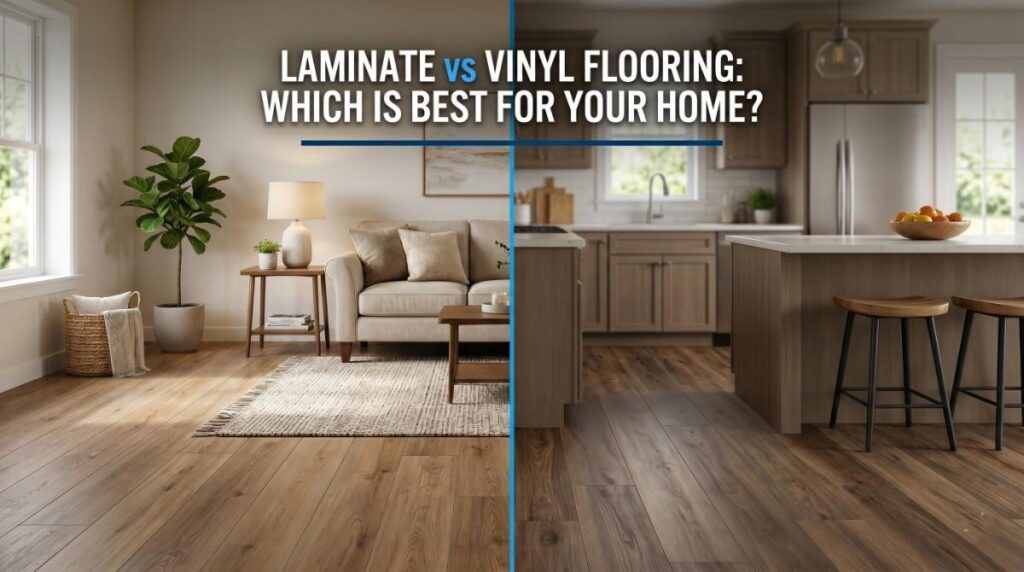
Choosing the right flooring can completely transform the look, feel, and functionality of your home. Whether you’re renovating a single room or upgrading your entire space, flooring plays a critical role in durability, comfort, and style. Among the most popular modern options, homeowners often find themselves comparing Laminate vs Vinyl to determine which suits their needs best.
At SC Electric, we understand that flooring decisions go beyond aesthetics—they impact maintenance, cost, and even energy efficiency. In this guide, we’ll break down everything you need to know about Laminate vs Vinyl, helping you make a confident and informed decision.
Understanding Laminate Flooring
Laminate flooring is a multi-layer synthetic product designed to mimic natural materials like wood or stone. It consists of a photographic layer under a protective coating, giving it a realistic appearance.
Advantages of Laminate Flooring
- Highly resistant to scratches and dents
- Affordable compared to hardwood
- Easy to install with click-lock systems
- Works well with Laminate Floor Heating Mats
Laminate is ideal for living rooms, bedrooms, and areas with moderate foot traffic. It’s a great choice if you want a premium look without the premium price.
Understanding Vinyl Flooring
Vinyl flooring is a synthetic material made primarily from PVC. It comes in various formats, including sheets, planks, and tiles, offering versatility in design.
Advantages of Vinyl Flooring
- 100% waterproof in most cases
- Soft and comfortable underfoot
- Highly durable and long-lasting
- Excellent for kitchens, bathrooms, and basements
A common question homeowners ask is: is vinyl flooring waterproof? The answer is yes—most modern vinyl flooring options are fully waterproof, making them perfect for moisture-prone areas.
Laminate vs Vinyl: Key Differences
When comparing Laminate vs Vinyl, several factors come into play:
1. Water Resistance
- Laminate: Water-resistant but not waterproof
- Vinyl: Fully waterproof
If moisture is a concern, vinyl clearly has the edge.
2. Durability
- Laminate: Resistant to scratches but sensitive to water
- Vinyl: Highly durable and moisture-resistant
For long-term performance, vinyl often outlasts laminate in demanding environments.
3. Appearance
- Laminate: More realistic wood look
- Vinyl: Wide variety of styles, including stone and tile
In terms of aesthetics, laminate often wins for authenticity, especially in wood finishes.
4. Comfort and Feel
- Laminate: Harder underfoot
- Vinyl: Softer and warmer
Vinyl provides better comfort, especially for homes with children or elderly residents.
5. Installation
Both are DIY-friendly, but:
- Laminate requires a dry subfloor
- Vinyl can be installed in more flexible conditions
Laminate vs Vinyl Flooring Comparison for Modern Homes
A detailed vinyl vs laminate flooring comparison reveals that your choice largely depends on your lifestyle and environment. If you prioritize elegance and a natural wood appearance, laminate is a strong contender. However, if durability and water resistance are your top concerns, vinyl is the better investment.
For busy households, especially those with pets or kids, vinyl flooring offers peace of mind with its resilience and easy cleaning.
Maintenance and Cleaning
When choosing low maintenance flooring, both laminate and vinyl perform well, but vinyl has a slight advantage.
Laminate Maintenance
- Requires dry or slightly damp cleaning
- Sensitive to excess moisture
Vinyl Maintenance
- Can be cleaned with water and standard cleaners
- Resistant to stains and spills
If you want truly low maintenance flooring, vinyl is the easier option to manage daily.
Cost Comparison
Cost is always a major factor in the Laminate vs Vinyl debate.
- Laminate: Generally slightly cheaper
- Vinyl: Slightly higher upfront cost but better long-term value
While laminate may save money initially, vinyl’s durability and water resistance can reduce replacement and repair costs over time.
Best Use Cases for Each Flooring Type
Choose Laminate If:
- You want a realistic wood appearance
- The area is dry and low-moisture
- You plan to use Laminate Floor Heating Mats for added comfort
Choose Vinyl If:
- You need waterproof flooring
- The space includes kitchens or bathrooms
- You want long-lasting low maintenance flooring
Environmental and Health Considerations
Both laminate and vinyl flooring have improved significantly in terms of eco-friendliness. Many modern options are low in VOC emissions, making them safer for indoor air quality.
However, laminate often contains more natural materials, while vinyl is fully synthetic. If sustainability is a priority, check for certifications before purchasing.
Final Verdict: Laminate vs Vinyl
So, which is better in the Laminate vs Vinyl debate?
There’s no one-size-fits-all answer. It depends on your specific needs:
- For aesthetics and affordability → Choose laminate
- For durability and water resistance → Choose vinyl
At SCElectric, we recommend evaluating your space, lifestyle, and long-term goals before making a decision. Both flooring types offer excellent value when chosen correctly.
Ultimately, the winner in the Laminate vs Vinyl comparison is the one that aligns best with your home’s requirements.
FAQ
Which is better: laminate or vinyl flooring?
Vinyl flooring is better for moisture resistance and durability, while laminate offers a more natural wood look and is ideal for dry areas like bedrooms and living rooms.
Is vinyl flooring waterproof?
Yes, most modern vinyl flooring options are fully waterproof, making them perfect for kitchens, bathrooms, and basements where moisture exposure is common.
Is laminate flooring good for kitchens?
Laminate can be used in kitchens but requires caution with water exposure. Spills should be cleaned quickly to prevent damage or swelling.
Which flooring is more budget-friendly?
Laminate flooring is generally cheaper upfront, but vinyl may provide better long-term value due to its durability and lower maintenance needs.
Can laminate flooring be used with heating systems?
Yes, laminate works well with Laminate Floor Heating Mats, making it a comfortable option for colder climates and energy-efficient homes.